The need to unify contingent labor, Statement of Work (SOW) engagements, and managed services under a single, integrated program has never been more urgent.
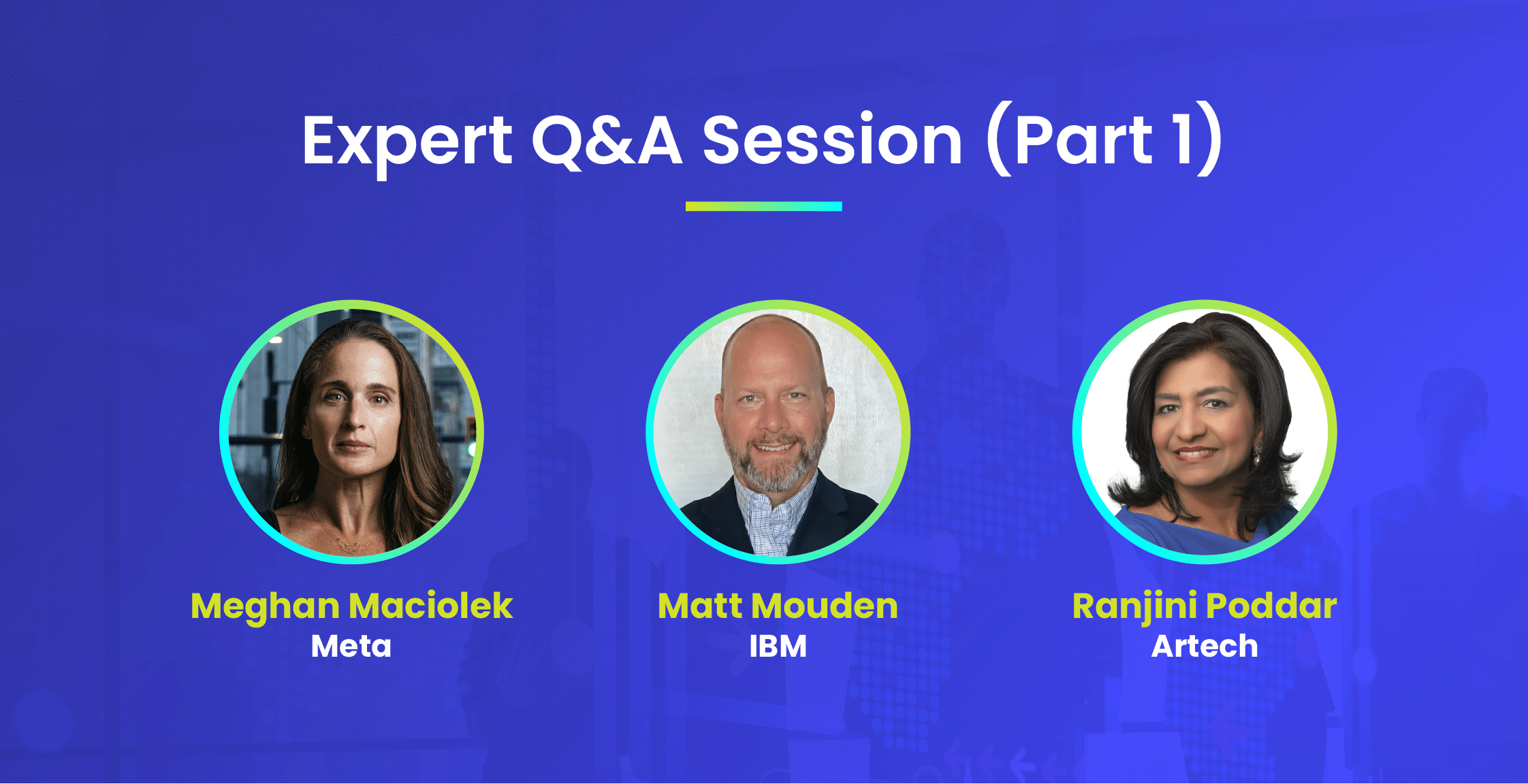
To explore the challenges and opportunities around this new approach, we recently sponsored a panel discussion at a Staffing Industry Analysts (SIA) forum, featuring industry leaders from Meta, IBM, and Artech.
In this first part of our series, listen to their direct insights on how to overcome today’s most pressing workforce strategy challenges. Let’s begin.
1. What are some of the biggest workforce strategy challenges that you see enterprises facing today?
Meghan Maciolek (Meta):
“One of the challenges is balancing remote work with return to office. While Meta has not mandated return to office, there are critical roles required on site. We need to flex our workforce to accommodate both. Engaging workers in flexible markets and balancing remote work also brings cross-border charging requirements, which require collaboration with tax and legal partners. It’s a dynamic environment where we must consider complexities beyond just talent acquisition.”
Matt Mouden (IBM):
“Returning to office is a big challenge, as it’s driven variability in our workforce. Scalability and speed in upskilling are also key. There’s always a balance between FTEs and contingent workers—what’s the right mix to augment your workforce? For IBM, supporting our consulting arm means we’re always looking at whether to invest in our own people or bring in contingent or managed services for speed and cost efficiency.”
Ranjini Poddar (Artech):
“As Matt and Megan indicated, today’s workforce landscape is much more dynamic and complex, which brings both new opportunities and challenges for organizations.”
2. How has the role of staffing partners evolved in response to these challenges?
Ranjini Poddar (Artech):
“The role of a staffing partner has evolved from being a traditional supplier to a trusted advisor and strategic partner. We’re now expected to orchestrate agile, end-to-end workforce ecosystems. Clients look for partners who do more than fill jobs—they want technology, know-how, and industry understanding to stay relevant for what’s next, whether it’s AI or return to office.”
Matt Mouden (IBM):
“Ranjini is right—the staffing partner is now much more strategic. They need to understand our business needs, be able to flex with us, and provide that trusted partnership.”
Meghan Maciolek (Meta):
“We value our entire supplier ecosystem. Proactive communication and collaboration, especially on a global scale, are key. We look for partners who bring forward strategic solutions that benefit both Meta and the broader program.”
3. When you take a look at implementing this unified approach across different regions, what are some of the biggest pain points you experience, and how do you overcome these?
Matt Mouden (IBM):
“A fragmented approach to sourcing is a big obstacle. Whether across brands, business units, or regions, everyone has their piece of the pie. Compliance risk and cross-border issues bubble to the top. We need to drive a unified strategy internally with all stakeholders to make it successful.”
Meghan Maciolek (Meta):
“In nuanced and niche markets, visibility of licensing requirements is crucial. We work with partners like Artech and our MSP for proactive horizon scanning. Having suppliers with boots on the ground who understand local legislation is invaluable. We also need robust supply chains to support volume and scale.”
Ranjini Poddar (Artech):
“A high-performing unified workforce model requires centralized oversight, integrated technology, compliance and risk oversight, a people-first focus, and agility. Leadership buy-in and ongoing program reviews are essential—it’s a change management process, not a one-time project.”
4. What are some key considerations that you look for when selecting a staffing partner that supports you on a global scale?
Meghan Maciolek (Meta):
“Suppliers must be able to compliantly provide labor services in those markets. We need visibility and collaboration to understand where they have direct infrastructure and can act as the employer of record.”
Matt Mouden (IBM):
“Compliance and risk are significant. We’re a risk-averse organization, so we put a lot of controls in place. It’s not just about managing the here and now but also understanding what’s coming. Knowledge and presence in the markets, understanding local laws and regulations, and the ability to be flexible and scalable are key.”
Ranjini Poddar (Artech):
“Having a partner with global reach and local expertise is essential. They need to understand both the big picture and the local nuances to ensure compliance and deliver value.”
Listen to the Complete Webinar Recording
5. How can organizations like Meta and IBM benefit from consolidating all of these under one single program?
Ranjini Poddar (Artech):
“There are significant cost efficiencies and administrative savings. You can utilize talent in the best possible place—staffing cross-border teams with work in the US, Poland, Singapore, and India is only possible under a unified program. Visibility and control lead to better decisions, and a unified program enables compliance and agility.”
Matt Mouden (IBM):
“A partner that helps us scale and move with speed and agility is critical. We’re not present in every country, so a global partner aligned with our risk mitigation and compliance strategy is invaluable. Data insights from a global partner help us make better decisions.”
Meghan Maciolek (Meta):
“Beyond cost and technology, strategic solutions like redeployment are important. Having transparency and visibility to work collaboratively with staffing providers and our MSP supports the business, especially for candidates with fungible skills.”
6. What are common pitfalls organizations need to avoid when they’re trying to consolidate their programs?
Ranjini Poddar (Artech):
“Consolidation is a journey. Pitfalls include underestimating the human side of change, not bringing all stakeholders to the table early, trying to copy-paste old processes, neglecting data integration, focusing too much on cost savings, and treating consolidation as a one-time project.”
Meghan Maciolek (Meta):
“It’s about partnership and collaboration. We’ve undertaken an 18-month project to ensure all vendors and engagements are classified appropriately. Defining and documenting policies, and aligning everyone—end users and suppliers—is essential.”
Matt Mouden (IBM):
“Centralized and aligned processes are key. Bringing all stakeholders to the table early and having buy in is critical. We drive a unified governance process, but there is variability country by country.”
7. What best practices have served you best in working with a global vendor?
Meghan Maciolek (Meta):
“Collaboration and transparency are critical. We’ve worked closely with our MSP and suppliers to ensure alignment on definitions and classifications. Educating the business and suppliers, and documenting policies, are ongoing best practices.”
Matt Mouden (IBM):
“Alignment and data management are key. We have a centralized process and clear alignment with our partners on how the process works. Data insights help us manage skills and service lines across markets.”